
Modern businesses face a constant challenge: how to communicate effectively with customers who have diverse preferences for receiving information. Some people prefer digital communication exclusively, while others trust and value physical mail. Hybrid mail bridges this gap by combining the speed and convenience of digital technology with the tangible impact of traditional postal services.
The concept of hybrid mail has grown significantly as businesses seek more efficient ways to handle correspondence. Rather than maintaining in-house printing facilities and managing postal logistics, companies can now upload documents to online platforms that handle everything from printing to delivery.
This shift represents a fundamental change in how organizations approach mail operations, offering flexibility and efficiency that traditional methods cannot match.
Hybrid mailing solutions have become particularly valuable for businesses managing large volumes of customer communications. Banks sending monthly statements, healthcare providers delivering appointment reminders, and retailers distributing promotional materials all benefit from systems that automate physical mail while maintaining digital control.
The ability to manage mail digitally while delivering physically creates opportunities for cost savings, operational improvements, and better customer experiences.
The Core Concept of Hybrid Mail Solutions
A hybrid mail solution combines online platforms for document creation with physical postal services to deliver mail efficiently. Businesses access web-based interfaces or APIs to upload documents, specify recipients, and customize delivery options. The hybrid mailing service then handles printing, envelope preparation, postage, and delivery through established postal networks.
This separation of digital creation from physical production eliminates the need for companies to maintain printing equipment, manage supplies, or coordinate with postal services directly. The result is a streamlined process that reduces overhead while maintaining full control over content and timing.
Real-world applications of hybrid mailing solutions span numerous industries and communication types.
- Financial institutions use these systems to send account statements and transaction confirmations to thousands of customers monthly.
- Government agencies deliver tax documents, benefit notifications, and official correspondence through hybrid mail platforms.
- Marketing departments create personalized promotional materials that combine variable data printing with targeted mailing lists.

How Hybrid Mailing Works
The hybrid mailing process begins when a business creates or generates documents digitally. This might involve pulling data from a database to populate invoice templates, designing marketing materials, or generating reports from business systems. Once the digital documents are ready, they get uploaded to the hybrid mail platform through a web interface or direct API integration.
The platform receives these documents and processes them for physical production. Automated systems verify addresses, apply postal sorting codes, and optimize batching to maximize efficiency and minimize costs. Documents get routed to printing facilities strategically located to reduce delivery times and transportation costs.
High-speed printers produce the documents on appropriate paper stock, while insertion equipment places them in envelopes, applies postage, and prepares them for postal collection. After printing and preparation, the physical mail enters postal networks for delivery to recipients.
Throughout this process, the hybrid mail platform provides tracking capabilities that allow businesses to monitor their mail from upload through delivery. According to the United States Postal Service, mail delivery remains highly reliable with a 94% on-time delivery rate for First-Class Mail, making hybrid mailing solutions dependable for time-sensitive communications.
Key Benefits of Hybrid Mail
Cost Efficiency
The benefits of hybrid mail become immediately apparent when examining cost structures. Traditional in-house mail operations require significant capital investments in printing equipment, maintenance contracts, supply inventory, and dedicated staff to manage production. Hybrid mailing solutions eliminate these fixed costs by converting them to variable costs based on actual usage.
Businesses pay only for the mail they send rather than maintaining capacity for peak volumes that sit idle during slower periods. Postage savings represent another significant advantage, as hybrid mail providers consolidate mail from multiple clients and leverage bulk mailing rates that individual businesses cannot access.
Labor costs decrease dramatically when switching to hybrid mailing solutions. The automation inherent in these systems eliminates manual tasks like printing, folding, inserting, sealing, and sorting that consume staff time in traditional mail operations. Employees who previously managed physical mail production can focus on higher-value activities that directly contribute to business objectives.
Time Savings and Speed
Speed distinguishes hybrid mail from traditional internal mail operations. The time required to print, prepare, and deliver mail shrinks significantly when using hybrid solutions. Documents uploaded in the morning can be printed and in the postal system the same day, whereas internal processes might take days to complete the same tasks.
Industries with high-volume mail need experience, particularly dramatic improvements. Financial services companies processing thousands of monthly statements can distribute them faster and more reliably through hybrid mailing than through internal operations.
The speed of hybrid mail also enables more responsive communication strategies. Businesses can trigger mailings based on specific events or customer actions rather than waiting for batch processing windows. This responsiveness improves communication relevance and effectiveness while reducing the time between when information becomes available and when customers receive it.

Improved Customer Experience
Customer experience improves significantly with hybrid mailing solutions because they enable faster, more accurate, and more personalized communications.
The precision of digital data integration eliminates transcription errors that plague manual mail preparation. Addresses come directly from authoritative databases, reducing misdeliveries and ensuring mail reaches intended recipients reliably.
Personalization capabilities within hybrid mail systems create communications that feel tailored to individual recipients rather than mass-produced. Variable data printing allows each piece to include recipient-specific information, custom messaging, or targeted offers based on customer preferences and behavior.
Tracking and delivery confirmation features give customers confidence that important documents are on the way. When businesses can proactively notify customers about incoming mail and provide delivery estimates, it reduces anxiety and customer service inquiries about missing or delayed documents.
Sustainability
Environmental considerations increasingly influence business decisions, and the benefits of hybrid mail include meaningful sustainability improvements. By consolidating printing at optimized facilities rather than operating distributed printers across multiple locations, hybrid mailing solutions reduce overall energy consumption and material waste.
Paper waste decreases through precise printing that eliminates test runs, misprints, and excess inventory typical in internal mail operations. Digital document management means businesses can review and approve communications before physical production begins, catching errors that would otherwise result in wasted materials.
Transportation efficiency contributes to reduced carbon footprints as well. Hybrid mail providers optimize postal logistics and leverage established delivery networks rather than requiring separate transportation for each organization. This consolidation reduces the total number of delivery vehicles on roads and maximizes the efficiency of each delivery route.
Increased Operational Efficiency
Operational efficiency gains from hybrid mail extend beyond simple cost and time savings. The automation these solutions provide eliminates bottlenecks that constrain traditional mail operations. When mail production capacity is limited by available equipment or staff, businesses face delays during high-volume periods.
Hybrid mailing solutions scale dynamically to handle any volume without creating operational stress or requiring advance planning. Workflow integration between business systems and hybrid mail platforms streamlines end-to-end processes. An invoice generated in an accounting system can automatically trigger hybrid mailing without human intervention.
The reduction in manual handling throughout the mail creation and dispatch process improves accuracy and consistency. Human errors in address entry, document selection, or postage application disappear when automated systems manage these tasks.
This reliability becomes particularly important for regulated communications where errors can result in compliance issues or customer complaints.
Key Insights on Implementing Hybrid Mail Solutions
Successfully implementing hybrid mailing solutions requires careful consideration of business requirements and available options.
The market offers numerous providers with varying capabilities, pricing structures, and service levels. Organizations need to evaluate these options systematically to find solutions that align with their specific needs.
Choosing the Right Hybrid Mail Solution
Several factors influence which hybrid mail solution works best for a particular organization. Cost structures vary significantly between providers, with some charging per-piece rates while others use subscription models with included volume allowances.
Businesses should analyze their typical mail volumes and patterns to determine which pricing approach offers the best value.
Important considerations when evaluating hybrid mailing solutions include:
- Volume capacity and scalability to handle current needs and anticipated growth
- Geographic coverage and delivery speed for target recipient locations
- Integration capabilities with existing business systems and workflows
- Customization options for documents, envelopes, and delivery specifications
- Support for different mail types, from transactional documents to marketing materials
Scalability deserves particular attention because mail volumes often fluctuate seasonally or with business growth. A hybrid mail solution that works well at current volumes but cannot scale efficiently becomes a constraint rather than an enabler.
Customization capabilities determine how well hybrid mail can match specific business requirements. Some organizations need basic letter mailing, while others require complex multi-page documents with inserts, customized envelopes, or special handling.
Technology Integration
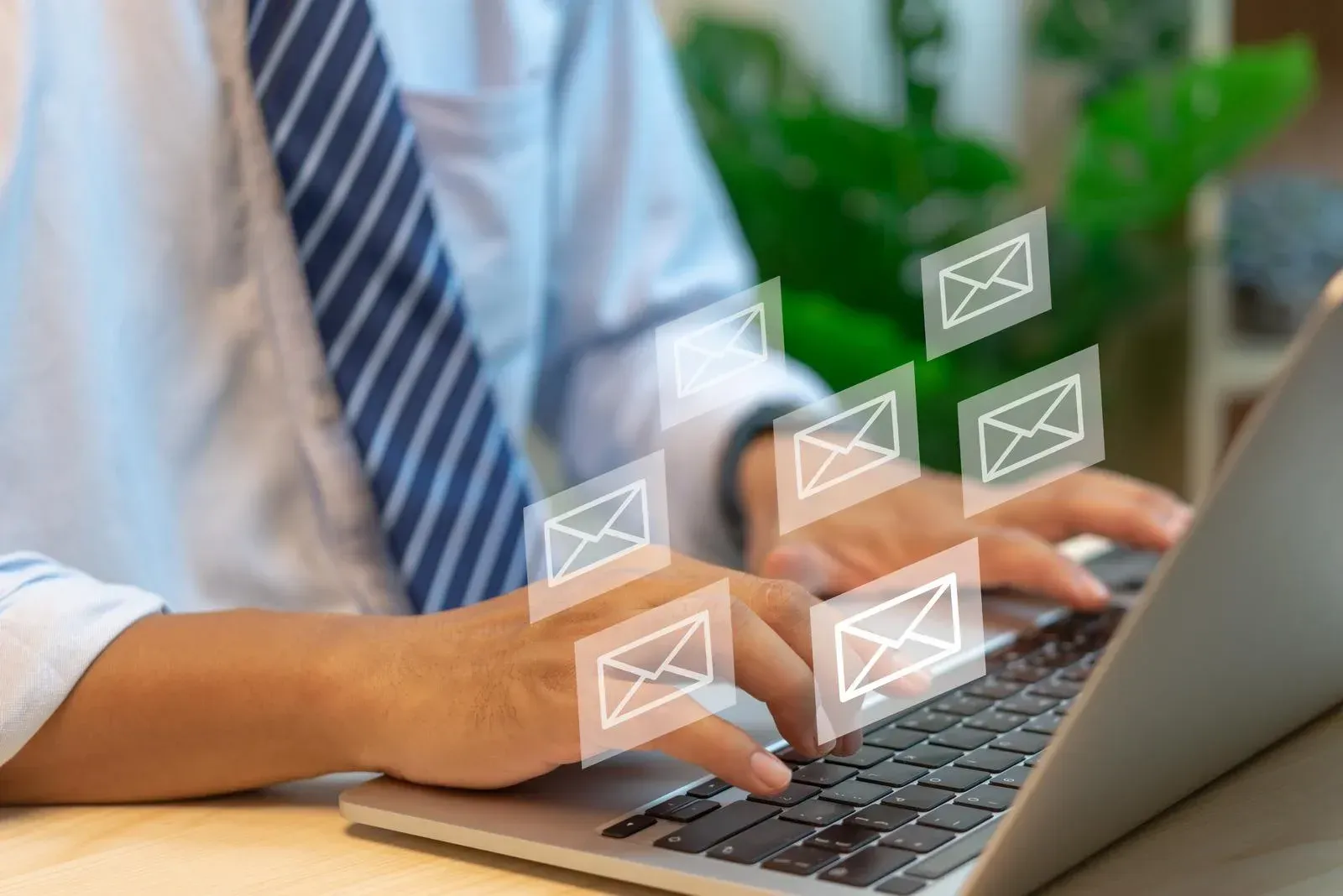
The benefits of hybrid mail multiply when these solutions integrate seamlessly with existing business systems. Modern hybrid mailing platforms offer APIs and pre-built integrations that connect with popular enterprise software. Customer relationship management systems can trigger mailings based on customer lifecycle events.
Enterprise resource planning platforms can automatically generate and mail invoices when billing cycles are complete. Marketing automation tools can include physical mail as part of multi-channel campaigns. Integration reduces manual data handling and eliminates redundant data entry that introduces errors and consumes time.
When hybrid mail platforms pull information directly from authoritative systems, businesses gain confidence that communications contain accurate, current information. This automation also ensures consistency across communication channels, with customers receiving coordinated messages regardless of delivery method.
Security and Compliance Considerations
Security and compliance become critical when hybrid mailing solutions handle sensitive information. Financial documents, healthcare records, and personal data require protection throughout the mail creation and delivery process. Businesses must verify that hybrid mail providers implement appropriate security measures.
Essential security features for hybrid mailing solutions include:
- Encrypted data transmission between business systems and mail platforms
- Secure storage of documents and customer information with access controls
- Compliance with relevant regulations like HIPAA for healthcare or GDPR for European data
- Physical security at printing and production facilities to prevent unauthorized access
- Audit trails that document who accessed what information and when
Compliance requirements vary by industry and geography, making it essential to confirm that hybrid mailing solutions meet applicable standards. Providers serving regulated industries should demonstrate their compliance credentials and willingness to execute business associate agreements or similar contractual protections.
Scalability and Flexibility
Hybrid mail solutions must scale with business growth and adapt to changing communication needs. The ability to handle both high-volume transactional mail and lower-volume customized communications within a single platform simplifies operations and reduces the need to manage multiple vendors.
Flexibility in service levels allows businesses to prioritize urgent communications with expedited delivery while using standard service for routine mailings. Scalability considerations extend beyond pure volume handling to include geographic expansion and new communication types.
As businesses enter new markets or launch new products, their hybrid mailing solutions should accommodate these changes without requiring platform migrations or significant reconfiguration. The best providers offer flexible solutions that grow alongside their clients rather than imposing constraints that limit business options.
Maximizing the Value of Hybrid Mail
Hybrid mail delivers substantial benefits across multiple dimensions of business operations. Cost efficiency through reduced capital requirements and lower per-piece costs improves financial performance.
Time savings and operational efficiency allow organizations to do more with existing resources. Enhanced customer experiences through faster, more accurate, and more personalized communications strengthen relationships and loyalty.
The full potential of hybrid mailing solutions becomes accessible when organizations approach implementation strategically. Selecting the right provider based on specific business requirements ensures the solution delivers maximum value. Integrating hybrid mail with existing business systems automates workflows and eliminates manual processes that introduce delays and errors.
Businesses considering hybrid mailing solutions should assess current mail operations, identify improvement opportunities, and engage with providers to take the first step toward integrating digital convenience with physical mail delivery.