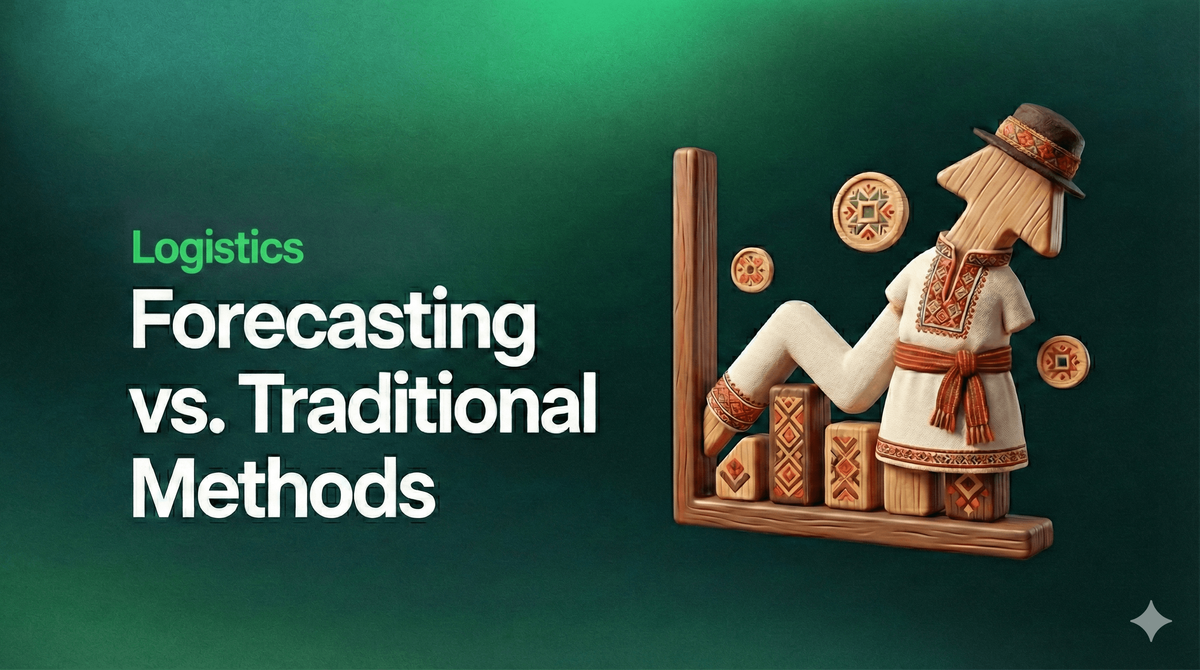
Supply chain managers face a tough choice these days. Should they stick with the methods they've always used, or switch to something more advanced? The way companies predict and plan their logistics operations has changed dramatically, and understanding these differences can help you make smarter decisions about your supply chain strategy.
What is Logistics Forecasting?
Logistics forecasting uses data analysis and predictive modeling to anticipate future supply chain needs. Instead of looking backward and hoping patterns repeat, it looks forward with calculated precision. The goal is simple: know what's coming before it arrives so you can prepare accordingly.

Think of it as the difference between driving with a GPS that predicts traffic jams versus just following the same route you always take. One adapts to current conditions, the other hopes for the best.
Definition of Logistics Forecasting
At its core, a logistics forecast is a data-driven prediction of future demand, inventory needs, transportation requirements, and potential disruptions. It pulls information from multiple sources—sales data, market trends, weather patterns, economic indicators, and more—to create accurate projections.
Modern forecasting logistics systems use machine learning algorithms that improve over time. They spot patterns humans might miss and adjust predictions based on new information. According to research from the Council of Supply Chain Management Professionals, companies implementing advanced forecasting technologies report significant improvements in operational efficiency and cost reduction.
Types of Logistics Forecasting
Different aspects of your supply chain need different types of predictions:
- Demand forecasting predicts how much product customers will want and when they'll want it
- Inventory forecasting determines optimal stock levels to avoid shortages or excess
- Transportation forecasting anticipates shipping needs, route efficiency, and capacity requirements
- Resource forecasting projects labor needs, warehouse space, and equipment utilization
Each type serves a specific purpose, but they all work together to give you a complete picture of your logistics landscape.
Traditional Methods in Logistics
Before computers did the heavy lifting, logistics planning relied on fundamentally different approaches. These methods aren't ancient history—many companies still use them today, sometimes out of habit or because they don't know there's a better way.
What Are Traditional Logistics Methods?
Traditional logistics planning typically depends on historical data analysis, manual calculations, and experienced decision-makers. A warehouse manager might look at last year's numbers, add a buffer percentage, and call it a plan. Sales teams share their estimates, operations adjust based on capacity, and everyone hopes the numbers work out.
These approaches often involve static planning cycles—quarterly reviews, annual forecasts, and monthly inventory checks. The plans get set, and unless something goes seriously wrong, they don't change much until the next review period.
Experience plays a huge role here. Companies rely on managers who've "seen it all before" to make judgment calls when the numbers don't tell a clear story. That institutional knowledge has value, but it also creates problems when those experienced people leave or when unprecedented situations arise.
Challenges with Traditional Methods
Traditional approaches struggle with several key issues that modern supply chains can't afford to ignore:
- Slow reaction times mean you're always playing catch-up when conditions change
- Limited data integration keeps information siloed in different departments
- Human error creeps in during manual data entry and calculations
- Inflexibility makes it hard to adjust plans when reality doesn't match predictions
- Missed opportunities happen because you can't see them coming without predictive analysis
The biggest problem? Traditional methods treat planning as a periodic event rather than a continuous process. By the time you realize your forecast was wrong, you're already dealing with the consequences.
Differences Between Logistics Forecasting and Traditional Methods
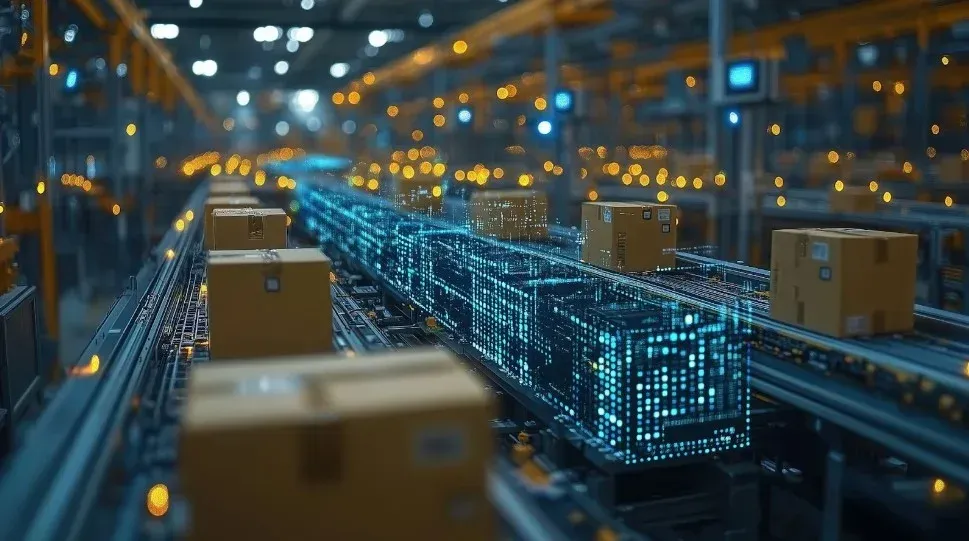
The gap between modern logistics forecasting and traditional methods isn't just about technology—it's about philosophy. One approach assumes the future will look like the past. The other assumes the future will be different and prepares for it.
Data-Driven vs. Intuition-Based
Traditional methods lean heavily on intuition and experience. When numbers conflict with gut feelings, the experienced manager's instinct often wins. There's nothing wrong with experience, but it can't process the volume of information that affects modern supply chains.
Logistics forecasting flips this relationship. Data leads, and human judgment supports. Algorithms analyze thousands of variables simultaneously, identifying correlations that would take humans years to spot. Managers still make final decisions, but they're working with better information.
What is forecasting in logistics if not the marriage of data science and operational expertise? It's about giving your team superpowers—letting them see further and more clearly than ever before.
Accuracy and Precision
Here's where the rubber meets the road. Traditional forecasting logistics methods might get you within 15-20% accuracy on a good day. That margin of error means carrying extra inventory "just in case" or scrambling when demand spikes unexpectedly.
Modern logistics forecasting systems regularly achieve higher accuracy rates. That difference isn't trivial—it's the gap between profit and loss for many operations. Higher accuracy means lower costs, better customer service, and less waste.
The precision also improves over time. Machine learning models learn from their mistakes, continuously refining their algorithms based on actual outcomes versus predictions. Studies published in the Journal of Business Logistics demonstrate that predictive analytics can substantially reduce forecast errors compared to traditional time-series methods.
Real-Time Insights
Traditional planning operates on a schedule. You make your forecast, implement your plan, and wait until the next review period to adjust. Meanwhile, the market keeps moving.
A logistics forecast built on modern platforms updates constantly. New sales data comes in? The forecast adjusts. Supplier announces a delay? The system recalculates. Weather threatens a shipping route? Alternative plans generate automatically.
This real-time capability transforms planning from a static document into a living tool that guides daily decisions. You're not just planning anymore—you're adapting.
Automation and Efficiency
Manual processes eat up countless hours. Someone has to pull data from multiple systems, clean it up, run calculations, build reports, and distribute them to stakeholders. By the time everyone reviews the information, it's already outdated.
Forecasting logistics platforms automate these repetitive tasks. Data flows automatically from source systems, algorithms run continuously, and dashboards update in real-time. Your team spends less time gathering information and more time acting on it.
The efficiency gains compound. Faster planning cycles mean quicker responses to market changes. Automated reporting means everyone works from the same numbers. Less manual work means fewer errors and lower costs.
Benefits of Modern Logistics Forecasting
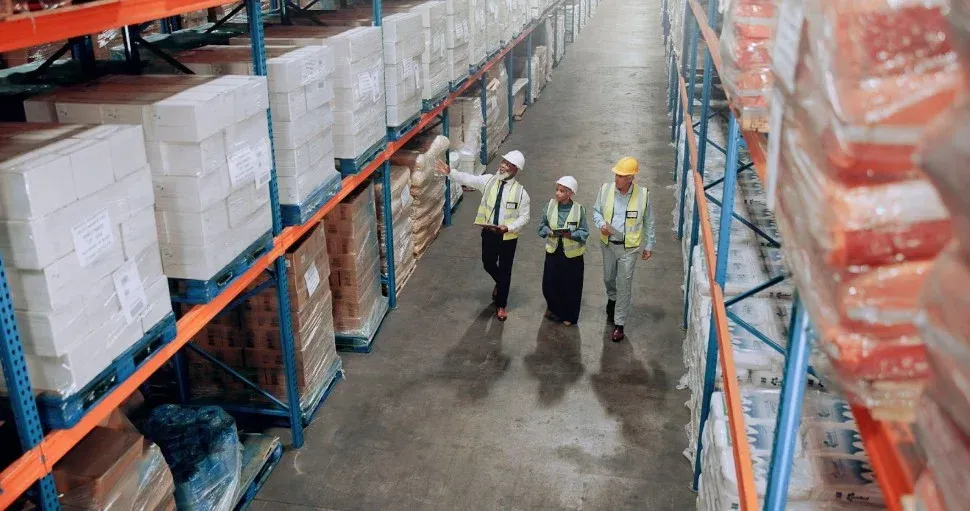
Companies switching from traditional methods to advanced forecasting see improvements across their entire operation. The advantages extend beyond simple number-crunching into real business impact.
Operational Improvements
Modern forecasting delivers tangible benefits across multiple areas:
- Lower inventory costs from knowing exactly what you need when you need it
- Better customer satisfaction resulting from fewer stockouts and more reliable delivery times
- Improved risk management because you can see potential problems before they become crises
- Optimized transportation spending through better route planning and carrier selection
- Enhanced resource utilization by matching staffing and equipment to actual needs
Financial Impact
The financial improvements add up quickly. Reduced carrying costs, optimized transportation spending, and better resource utilization all contribute to healthier bottom lines. What is forecasting in logistics worth to your business? For many companies, the return on investment appears within months of implementation.
Risk management improves because you can see potential problems before they become crises. A sudden surge in raw material costs? Your forecasting system flags it weeks ahead. Port congestion threatening shipments? Alternative routes get planned automatically.
Making the Transition
Moving from traditional methods to modern logistics forecasting doesn't happen overnight. The technology needs to integrate with existing systems. Teams need training on new tools and processes. Old habits die hard, especially when people have built careers on traditional approaches.
Steps for Successful Implementation
Consider these practical steps when planning your transition:
- Start small with one aspect of your logistics operation to prove the concept
- Involve experienced managers in the process rather than threatening to replace their judgment
- Build confidence by demonstrating early wins before rolling out company-wide
- Invest in training, so your team can maximize the value of new tools
- Monitor results and adjust your approach based on what you learn
The goal isn't to eliminate human decision-making. It's to enhance it with better information and more powerful tools. Your best managers will become even better when they're working with accurate, real-time data instead of guesswork and outdated spreadsheets.
Conclusion
The difference between logistics forecasting and traditional methods comes down to how you handle uncertainty. Traditional approaches try to minimize it through buffers and conservative planning. Modern forecasting embraces it, using data and algorithms to navigate through it more effectively.
The companies winning in today's competitive markets aren't just working harder—they're working smarter. Logistics forecasting isn't a luxury anymore. For many businesses, it's becoming a necessity for staying competitive and profitable